Finite Element Analysis (FEA) Services

SEAM's Finite Element Analysis (FEA) services help manufacturers and product developers evaluate structural performance before manufacture. By simulating real-world operating conditions, we identify potential design issues early, optimise performance, reduce development costs and support faster, more confident engineering decisions.

FEA Industry Applications

Static structural analysis

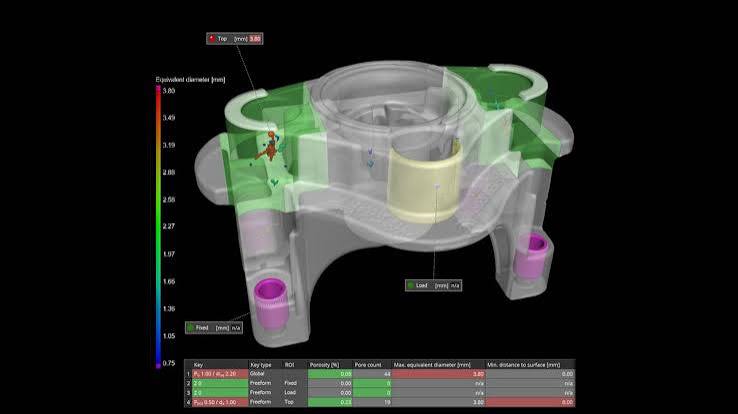
Assess how components and structures respond to applied loads, supports and operating conditions. Our FEA capability identifies stress, deformation and critical load paths, helping engineers improve strength, performance and safety before manufacture or physical testing.

Thermal Analysis

Evaluate how heat moves through a product or structure under real operating conditions. Our thermal FEA identifies temperature gradients, heat build-up and cooling requirements, supporting better material selection, thermal management and overall performance.

Fatigue and Durability Assessment

Testimonials

Predict how repeated or fluctuating loads may affect a component over time. Fatigue analysis helps estimate service life, identify likely failure locations and improve designs for greater durability, reliability and reduced maintenance.

Vibration and Modal Analysis

Understand how a component or structure responds to vibration and identify its natural frequencies and mode shapes. This helps reduce resonance risks, unwanted movement, noise and premature failure in service.

Buckling Analysis

Determine whether slender components or structures may become unstable under compressive loads. Buckling analysis helps identify critical load levels and supports design improvements that increase stability, safety and structural reliability.

Contact and Nonlinear Analysis

Analyse complex behaviour involving large deformation, changing contact, friction or nonlinear materials. This provides a more realistic understanding of how assemblies and components will perform under demanding operating conditions.

Stress and Deformation Analysis

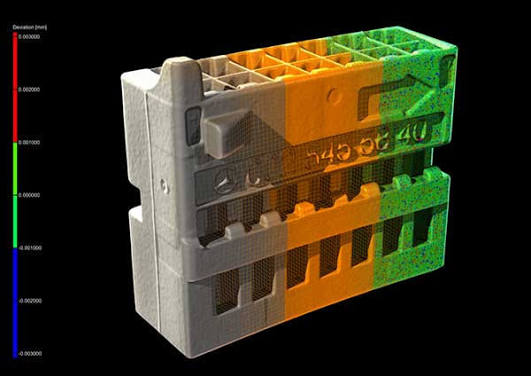
Visualise how forces are distributed throughout a component and where excessive movement may occur. We identify high-stress regions, potential weak points and opportunities to refine geometry, materials or loading conditions.

APPLICATIONS

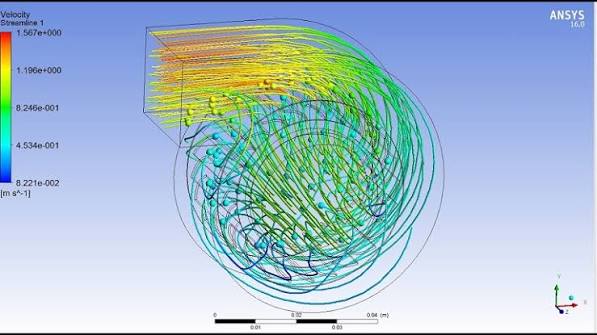
Our CFD capabilities enable engineers to simulate and optimise complex fluid behaviour across a wide range of industrial applications. From airflow and heat transfer to cooling performance and process optimisation, our analysis provides the insight needed to improve performance and reduce development risk.

Airflow Analysis

Heat Transfer & Cooling

Pressure Drop

Ventilation Performance

Pumping & Flow Systems

Data Centres & Equipment Cooling

TYPICAL OUTPUTS

Submit an Enquiry

Speak directly with SEAM’s experienced industry specialists to discuss your project. Every enquiry is reviewed by highly qualified engineers and technical experts who will recommend the most appropriate testing or analysis approach based on your requirements.

Whether you need independent validation, product development support, quality assurance or failure investigation, we’re here to help. Following completion of the work, you’ll receive a comprehensive technical report outlining the methodology, findings and recommendations, giving you the confidence to make informed engineering and business decisions.

Complete the enquiry form today and a member of our team will be in touch to discuss your requirements and the next steps.

    Request FEA Solutions

    Every FEA project is reviewed by experienced simulation engineers and technical specialists. Following an initial consultation, we’ll assess your objectives and operating conditions before recommending the most appropriate modelling approach. Upon completion, you’ll receive a comprehensive technical report containing simulation results, visualisations, engineering analysis and practical recommendations to support design optimisation and informed decision-making.

    Finite Element Analysis -Frequently Asked Questions

    What is Finite Element Analysis?

    Finite Element Analysis, or FEA, is a computer-based engineering method used to predict how a component, product or structure will respond to real-world forces. It can assess stress, deformation, vibration, temperature, fatigue and potential failure before physical testing or manufacture.


    We can support a wide range of engineering analyses, including:

    • Static structural analysis
    • Stress and deformation analysis
    • Thermal analysis
    • Fatigue and durability assessment
    • Vibration and modal analysis
    • Buckling analysis
    • Contact and nonlinear analysis
    • Coupled thermal-structural analysis

    The most appropriate approach will depend on the product, materials, operating conditions and engineering challenge.

    Typical information includes a 3D CAD model, material properties, expected loads, operating conditions, constraints and details of how the component is installed or used. Where some information is unavailable, our engineers can help define appropriate assumptions and identify any additional data required.

    FEA can significantly reduce the amount of physical prototyping and testing required, but it does not always replace it completely. It is often most effective when used alongside physical testing, allowing results to be validated and giving engineers greater confidence in design decisions.

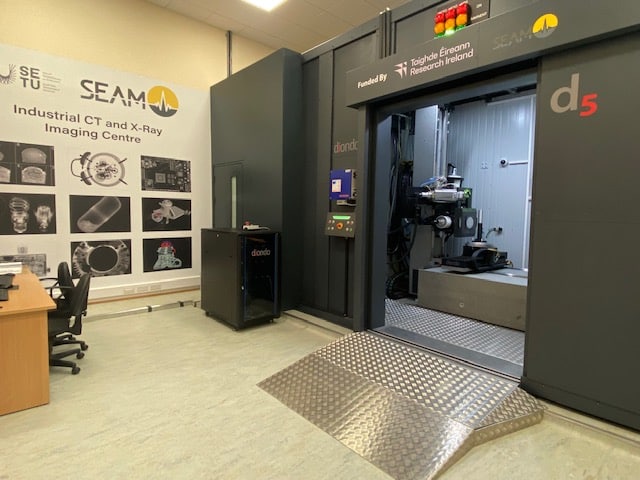
    SEAM uses industry-leading simulation software, including ANSYS Fluent and related engineering tools, enabling accurate and reliable analysis across a wide range of industrial applications.

    The accuracy of FEA depends on the quality of the input data, material properties, boundary conditions, mesh quality and assumptions used in the model. Our engineers carefully review these factors and, where possible, compare the findings with test data, measurements or known operating conditions.

    You will receive a clear engineering report outlining the modelling approach, assumptions, results and key findings. Depending on the project, this may include stress and deformation plots, safety-factor assessments, areas of potential failure and practical recommendations for design improvement or further testing.